
How Do I Know If I Have a Cavity?
Signs That I Might Have a Cavity
Cavities are one of the most common dental issues affecting people of all ages. When left untreated, cavities can cause multiple oral health problems. Xpress Dental helps you understand the signs of a cavity, the factors that contribute to its development, and what you can do to treat and prevent cavities. Learn more today, and reach out for an appointment if you think you may have a cavity.
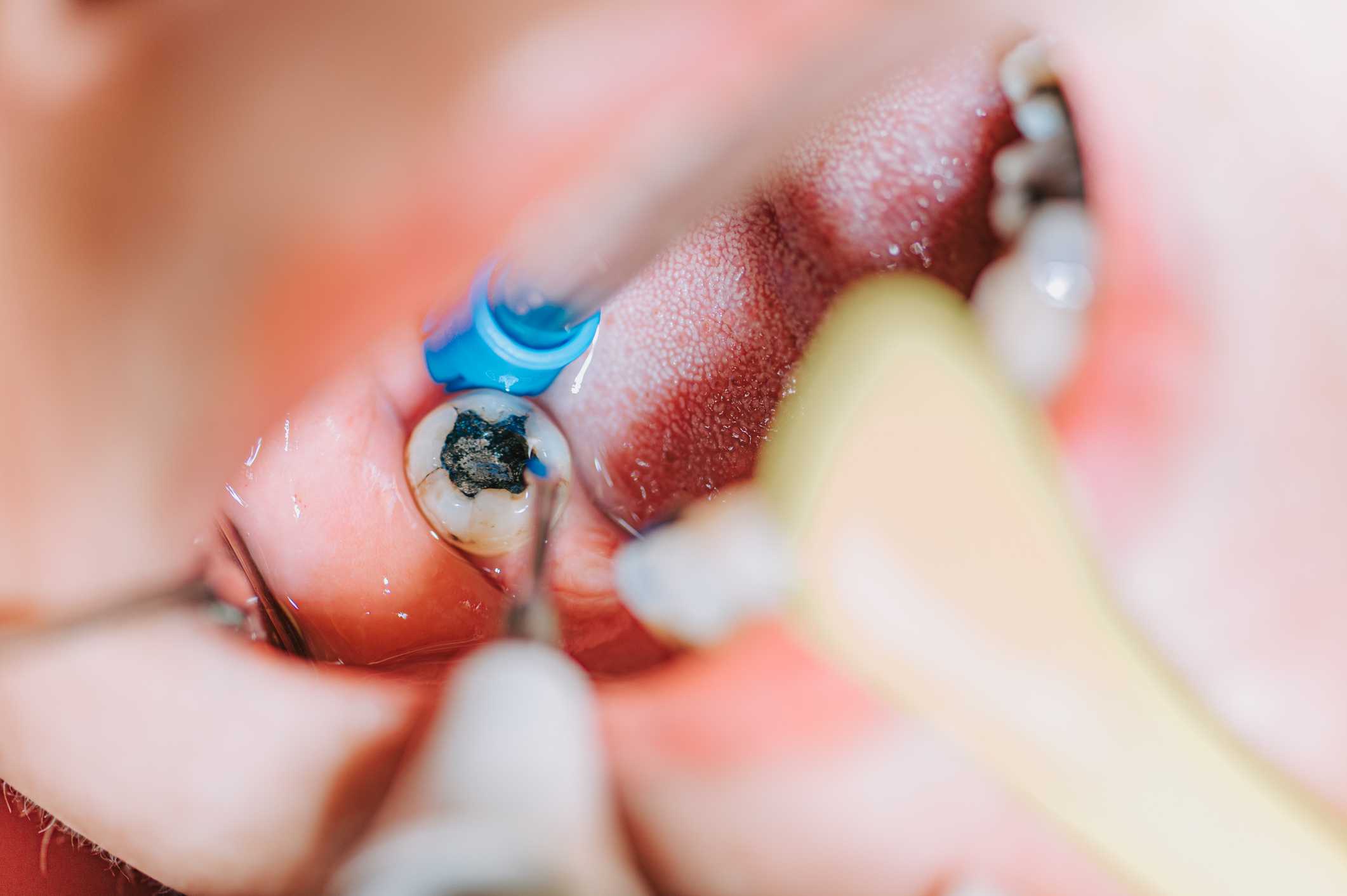
What Is a Cavity?
A cavity is a permanent area of damage on the hard surface of your teeth that develops into tiny holes or openings. Cavities occur when bacteria, acid, and plaque buildup wear down enamel. Over time, these factors erode the enamel, creating a small hole that, if left unattended, can worsen and penetrate deeper layers of the tooth. Cavities can occur on any part of the tooth, but they are more common in areas that are harder to clean, like between teeth or in the grooves of molars.
Factors That Contribute to Developing a Cavity
There are several reasons why you might develop a cavity, and it often starts with poor oral hygiene. Plaque is the bacterial culprit that feeds on sugars from consumed food and drinks. When bacteria digest these sugars, they produce acids that can wear down your enamel. The most common factors that contribute to cavity development include:
- Poor Oral Practices: When you don’t regularly brush and floss, plaque forms on your teeth.
- Diet: Frequent consumption of sugary or acidic foods and beverages increases your risk of developing this condition.
- Dry Mouth: Saliva helps wash away food particles and neutralize acids, so a dry mouth leaves teeth more vulnerable.
- Tooth Location: Cavities are more common in the back teeth because their grooves can easily trap food particles.
- Frequent Snacking: Eating frequently throughout the day gives bacteria more opportunities to produce acids.
How to Know If You Have a Cavity
The earlier you can detect a cavity, the easier it will be to treat. Our team can help you learn how to check if you have a cavity at home. Reach out to us if you notice any of the following signs of a developing cavity:
- Tooth Sensitivity: Discomfort when consuming hot, cold, or sweet foods and drinks.
- Toothache: Persistent pain in one tooth is often a sign of decay.
- Visible Holes or Discoloration: Cavities may be brown, black, or white spots on the surface of your tooth.
- Biting Pain: Pain or sensitivity when chewing or biting down may indicate a cavity.
- Bad Breath or Unpleasant Taste: Bacteria buildup can cause bad breath or an unpleasant taste in the mouth.
What Happens If You Ignore Cavities?
Ignoring a cavity can progressively damage the tooth structure, reaching the inner layers and causing intense pain or infection. This can result in abscesses, tooth loss, or even a systemic infection if the bacteria spread beyond the mouth. Additionally, ignoring a cavity can make treatment more complex and expensive, such as requiring a root canal or extraction.
How Do Dental Professionals Find and Treat Cavities?
Dentists are trained to detect cavities during routine checkups. We use tools like dental mirrors, X-rays, and physical examinations to pinpoint decay. Once a cavity is found, treatment options depend on the severity of the decay:
- Fluoride Treatments: For very early-stage cavities, fluoride can help restore enamel and reverse decay.
- Fillings: For moderate cavities, we remove the decayed portion of the tooth and fill the hole with materials like composite resin or amalgam.
- Crowns: If the cavity is extensive, a custom-made crown may be placed over the tooth to restore its shape and function.
- Root Canal: For severe cases where the decay has reached the pulp, a root canal may be necessary to save the tooth.
- Extraction: We may need to remove a tooth when it’s damaged beyond saving.
What Can You Do to Reduce Your Risk of Cavities?
By following good oral hygiene practices and maintaining a healthy lifestyle, you can significantly reduce your risk of cavities. Some ways to reduce your risk of cavities include:
- Brush and Floss Regularly: Brush your teeth twice daily with fluoride toothpaste, and floss daily to remove plaque and food particles.
- Limit Sugary Foods and Drinks: Reduce your intake of sugary or acidic snacks and drinks.
- Stay Hydrated: Drink plenty of water, and use a mouthwash to keep your mouth clean and hydrated.
- Visit Your Dentist Regularly: Routine dental checkups and cleanings can catch cavities early and prevent more serious issues.
- Consider Dental Sealants: Dental sealants can help protect the grooves of molars from decay.
Reach Out to Xpress Dental
At Xpress Dental, Dr. John Tan is here to help you with all your dental needs. We understand oral health is a crucial part of your overall well-being, and cavities should never be ignored. If you suspect you might have a cavity or haven’t had a dental checkup in a while, it’s essential to visit our dental office. By catching cavities early, you can protect your teeth, maintain your smile, and avoid more complex dental procedures down the road. Contact us today to schedule an appointment.