
What Is Plaque and Why Does It Cause Gingivitis?
The Hidden Layer Affecting Your Oral Health
Plaque buildup is one of the most common dental issues we address at Xpress Dental, and it can lead to serious consequences if left untreated. Understanding what plaque is, why it forms, and how it contributes to gum disease is essential for maintaining long-term oral health. Even with regular brushing, plaque can develop quickly and quietly, affecting both teeth and gums.
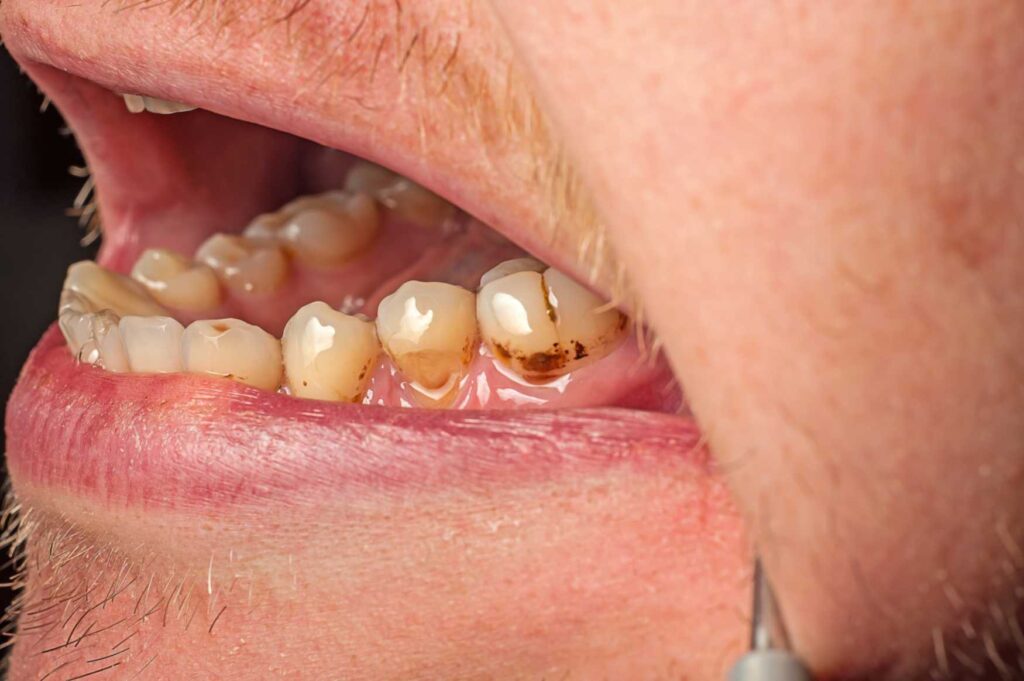
What Is Plaque?
Plaque is a sticky, colorless film made up of bacteria, food particles, and saliva, which constantly forms on the surface of your teeth and along the gumline. These bacteria feed on sugars and starches from the food we eat, producing acids that can erode enamel and irritate gum tissue. When not properly removed through daily oral hygiene, plaque hardens into tartar, creating an environment that promotes inflammation and infection in the gums. This inflammation is what leads to gingivitis, the earliest stage of gum disease. Unlike tartar, which must be removed professionally, plaque can usually be managed at home with proper brushing and flossing. However, once plaque has calcified into tartar, it creates a rough surface that traps more bacteria, increasing the risk of infection.
What Causes Plaque on Teeth?
There are several common reasons why plaque builds up, even in individuals who believe they are practicing good oral hygiene. Poor technique or missed areas during brushing can leave behind the residue that bacteria thrive on. Other contributing factors include diet, dry mouth, and smoking. Here are a few common causes of excessive plaque formation:
- Eating a high-sugar or high-carb diet
- Skipping flossing or brushing improperly
- Not visiting the dentist regularly for cleanings
- Dry mouth, which limits saliva’s natural cleansing effect
- Smoking or tobacco use, which encourages bacterial growth
Preventing plaque starts with consistent care at home and regular professional cleanings. By understanding what causes plaque on teeth, we can work with our patients to develop better daily habits and catch early signs of trouble before they escalate.
How Gingivitis Develops from Plaque Buildup
Gingivitis occurs when plaque builds up along and under the gumline, leading to redness, swelling, and bleeding. When we see gingivitis plaque on teeth, it’s a clear sign that bacteria have begun to inflame the gums. If left untreated, gingivitis can progress into periodontitis, a more severe form of gum disease that can result in tooth loss and damage to the jawbone.
In its early stages, gingivitis is usually painless, which makes it easy to ignore. We encourage our patients to take any signs of gum irritation seriously and seek care quickly. Plaque-related gum issues don’t resolve on their own—they require attention and intervention.
Key Signs of Plaque-Related Gum Problems
Although plaque isn’t always visible, the symptoms of gingivitis are easier to detect. It’s important to know what to watch for so you can schedule care when needed. These indicators suggest that plaque has been present long enough to irritate the gum tissue. Here are some early signs that gingivitis may be developing:
- Gums that bleed when brushing or flossing
- Red, swollen, or tender gums
- Persistent bad breath
- Receding gumline or loose teeth
- A shiny coating or slick feeling on the surface of teeth
Health Risks Linked to Excessive Plaque
Beyond gingivitis, excessive plaque can also contribute to a range of oral and systemic health problems. Research shows a possible connection to heart disease, diabetes, and respiratory issues. This makes plaque management not just a dental concern, but a full-body health priority. By reducing plaque, we help our patients lower their risk of both oral and general health issues. That’s why routine cleanings and evaluations are such an important part of what we do at Xpress Dental. Here are some serious complications linked to plaque teeth diseases:
- Advanced periodontal disease that damages gum and bone
- Increased risk of tooth decay and cavities
- Chronic halitosis (bad breath)
- Higher likelihood of systemic inflammation affecting overall health
- Greater risk of tooth loss and shifting bite alignment
Our Approach to Managing Plaque and Preventing Gingivitis
At Xpress Dental, we use a combination of preventative care and patient education to help you stay ahead of plaque buildup. During each visit, we evaluate plaque levels, assess gum health, and provide personalized guidance on brushing and flossing techniques. If we detect signs of gingivitis, we’ll recommend targeted treatments to reverse the condition before it progresses.
Professional cleanings allow us to remove buildup in areas that are hard to reach at home. We also provide custom plans for patients who are more prone to plaque accumulation due to medical conditions, medications, or lifestyle factors. Our goal is to help you maintain a healthy mouth.
Schedule for a Cleaning at Xpress Dental
If you’ve noticed signs of plaque buildup or early gum irritation, contact Xpress Dental today to schedule a cleaning and consultation. We’re here to help you prevent gingivitis and maintain a clean, healthy smile.